
If I’m investing in quality clothes, it automatically makes me an investor. Buying clothes from a store is like buying stocks from your bank. Just like your stock portfolio—you don’t want to just invest in AAA stocks. You know it will pay off to take some risks. For fashion, I believe that having a capsule wardrobe is beautiful, but where is the risk here?
Risky pieces become your differentiator. If you’re a risk taker—cowboy boots, denim jeans, and sombrero hats—that’s your diversification. Just like investing, start with a small amount. If you’re sure about the boots, then yes, Lucchese is a great investment. However, starting with DSW is not bad either.
Every morning when you open your closet, you’re making financial decisions. That blazer you never wear? That’s a depreciating asset sitting on your balance sheet. The white t-shirt you’ve worn 100 times? That’s paying dividends. Think about it: the confidence you feel in a well-fitted suit can land you the promotion. The outfit that makes you feel like yourself can change how you show up to the negotiation. Smart investors know that a balanced portfolio needs both stability and growth. Your closet should work the same way.
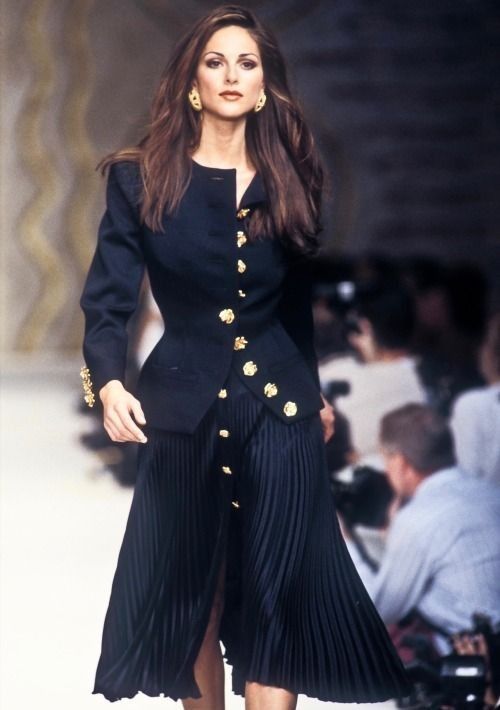
Your stable investments: The black blazer. The quality denim. The leather shoes that’ll last a decade. These are your blue-chip stocks—reliable, versatile, they anchor your portfolio and give you something to fall back on when the market (or your mood) is volatile.
Your growth investments: The statement coat in an unexpected color. The vintage find that nobody else has. The cowboy boots that make people remember you. These are the pieces with personality, the ones that carry risk but also carry reward.
If you’re building from scratch, invest 70% in basics and 30% in statement pieces. As your wardrobe matures and you understand what works for your body, your lifestyle, and your aesthetic, you can increase your allocation to riskier pieces. Maybe that becomes 60/40. Maybe 50/50. The ratio matters less than the intention behind it.
End-of-season sales are your buying opportunity—the fashion equivalent of buying the dip. That $800 coat marked down to $300? If it’s a classic cut in a quality material, that’s value investing. That trendy piece at full price? That’s FOMO trading. Know the difference.
And here’s the beautiful part: fashion choices compound, just like interest.
When you invest in quality and take calculated risks, people notice. You build a reputation. You become known for your style. Opportunities follow people who show up intentionally.
Your wardrobe is your portfolio. Invest accordingly.
You’re a treasure. Dress like an asset.
